Fallingwater
Frank Lloyd Wright's Ingenious Integration of Architecture and Nature

(The images in this post ensure that it is too long for E-mail; please click through to read on the Substack page or app.)
Bear Run is a four-mile mountain stream in rustic, rural Fayette County, Pennsylvania. In 1890, a group of Masons started the private Masonic Country Club there in 1890, building cabins for vacation purposes. (It would later be acquired by the Syria Improvement Association, another Masonic group, and become the Syria Country Club.) In 1916, Kaufmann’s Department Store, the largest department store in Pittsburgh, began using it as a summer camp for its “fellows and executives”.
At the time, Pittsburgh was the dirtiest city in America. Due to steel production, streetlights were illuminated as early as early afternoon to illuminate soot-blackened streets. Kaufmann’s Department Store, owned by Edgar Kaufmann, Sr. and his wife, Liliane, was a twelve-story building that took up an entire block. A rustic, rural getaway undoubtedly appealed to a significant number of their employees. The Kaufmann family particularly gravitated to Bear Run.
During the Great Depression, the camp fell into desuetude. The Kaufmanns continued to visit and took ownership of the camp; they referred to their private cabin on the property outside of the town of Mill Run as The Hangover. Meanwhile, their son, Edgar, Jr., was an architectural intern at Taliesin, Frank Lloyd Wright’s architectural school in Spring Green, Wisconsin. The family asked the maverick architect to design a summer home for them on the property. He was receiving few commissions during the Depression, and he gladly accepted the offer in 1934.
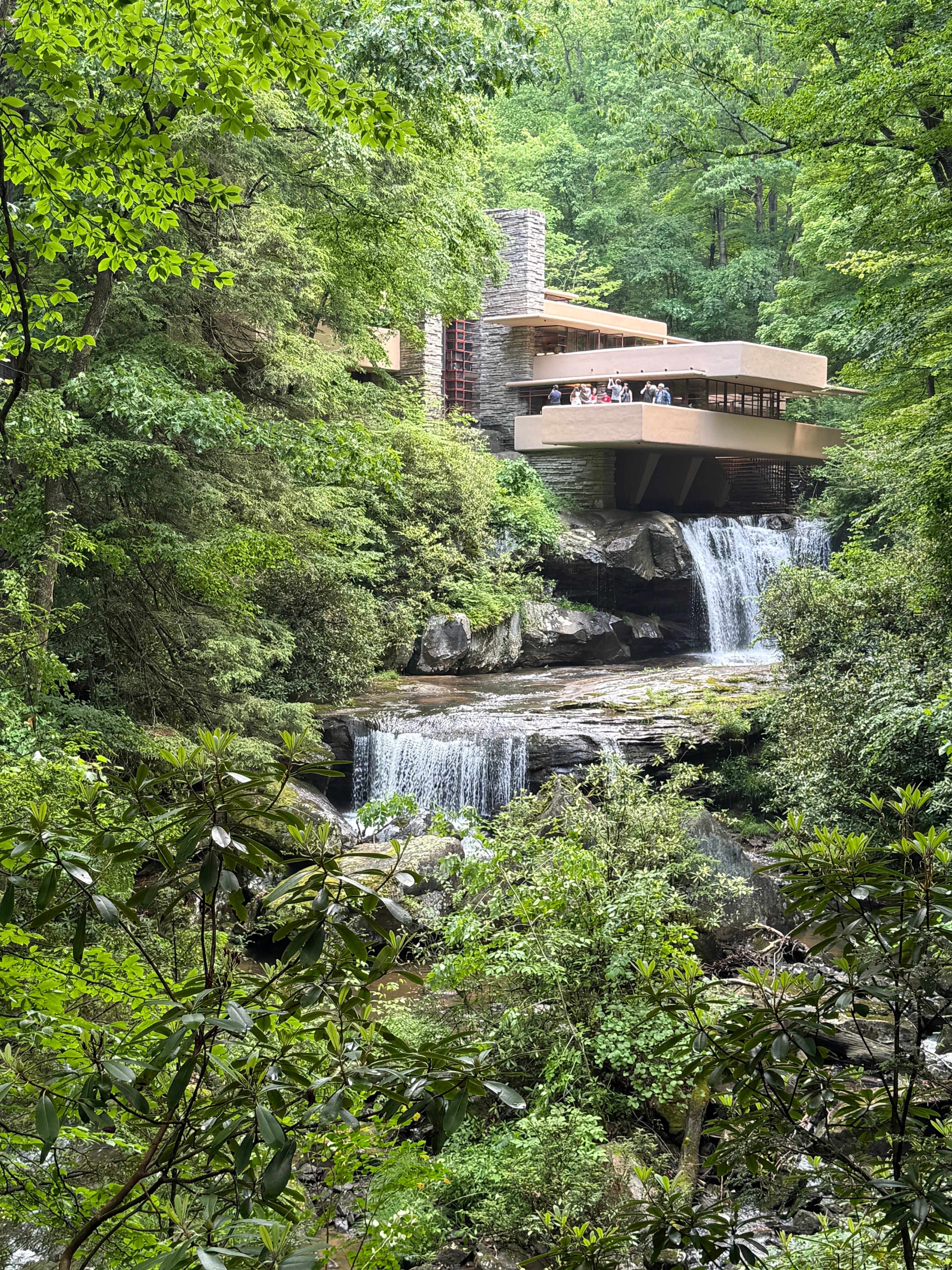
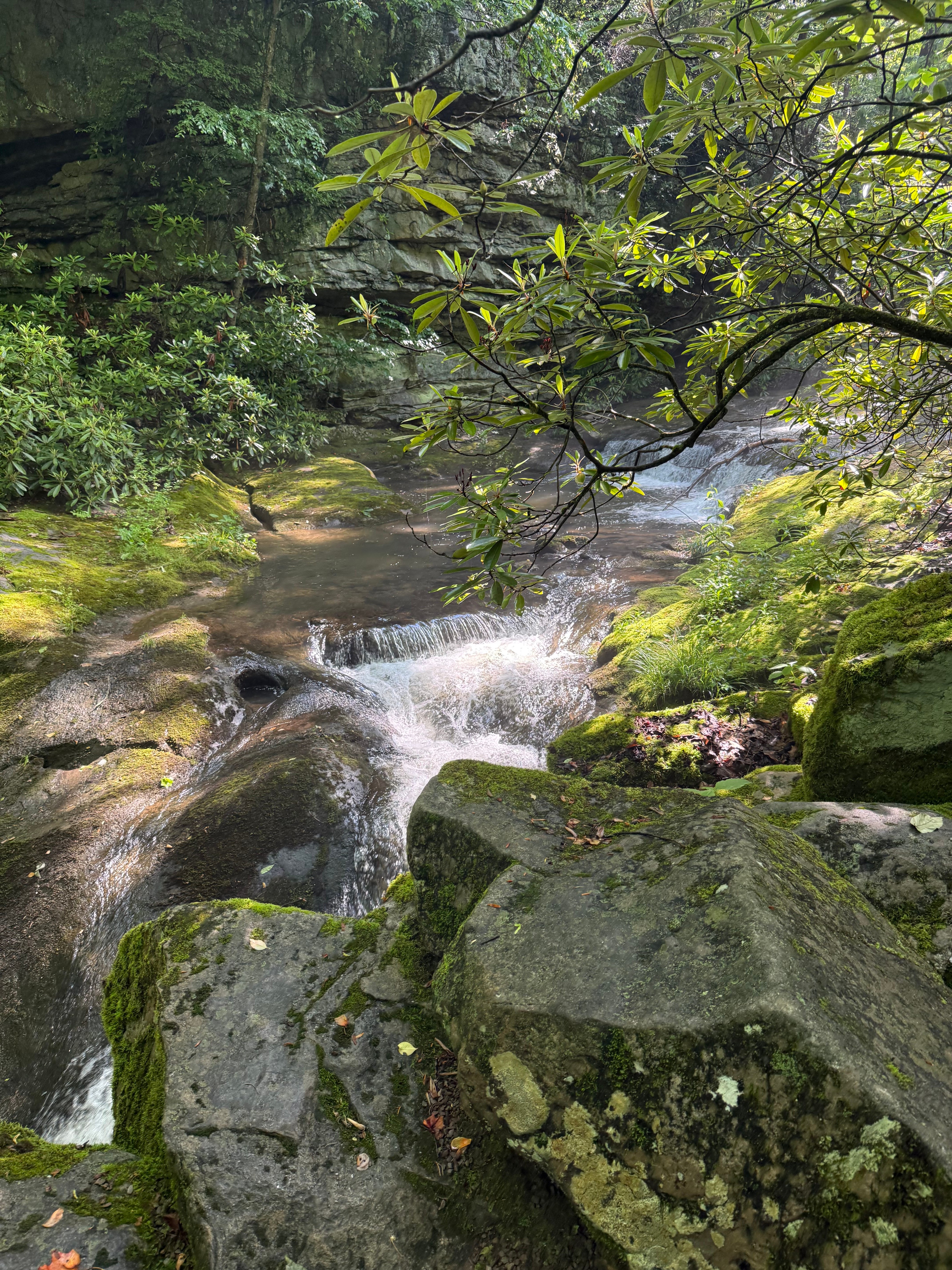
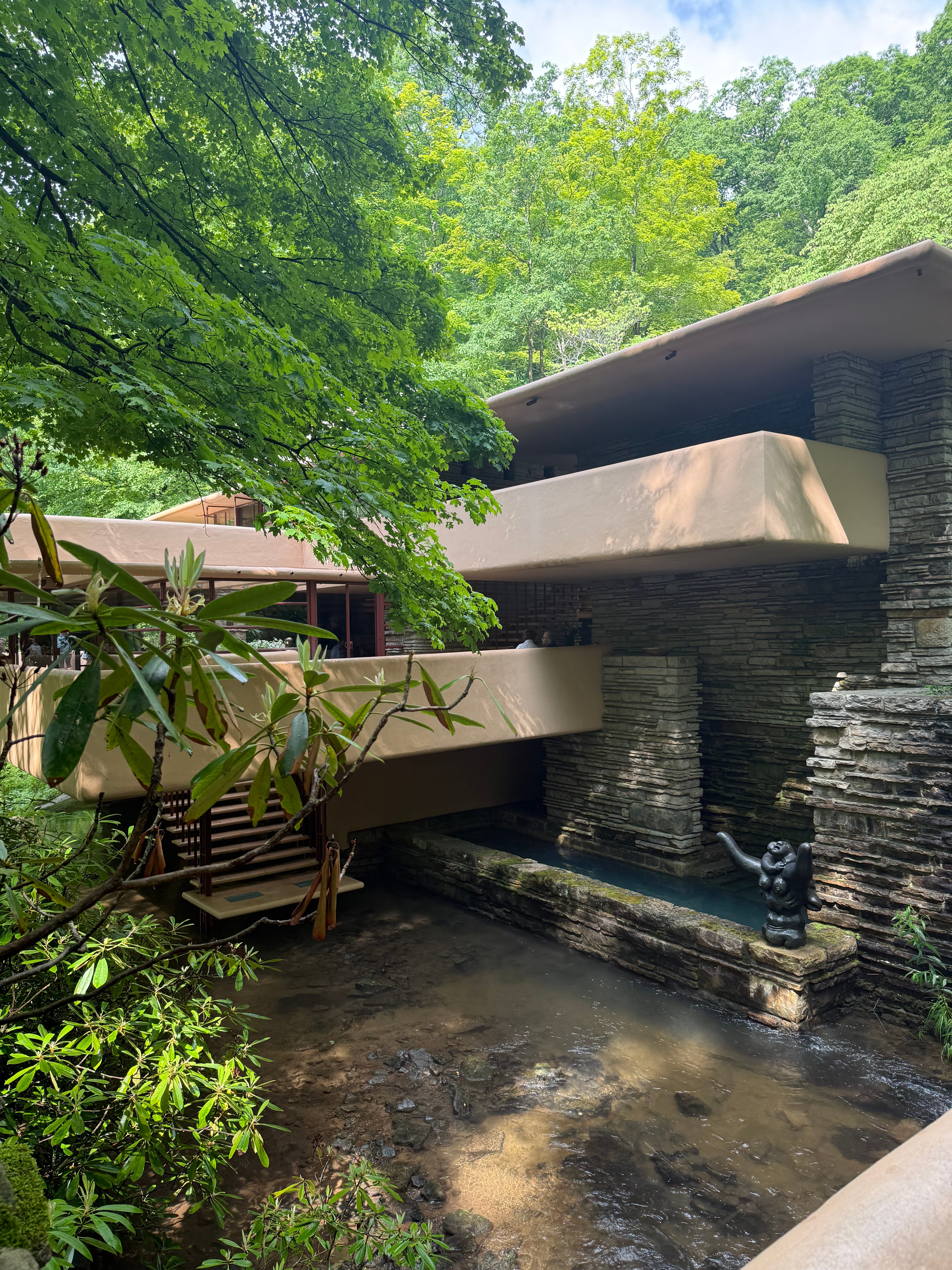
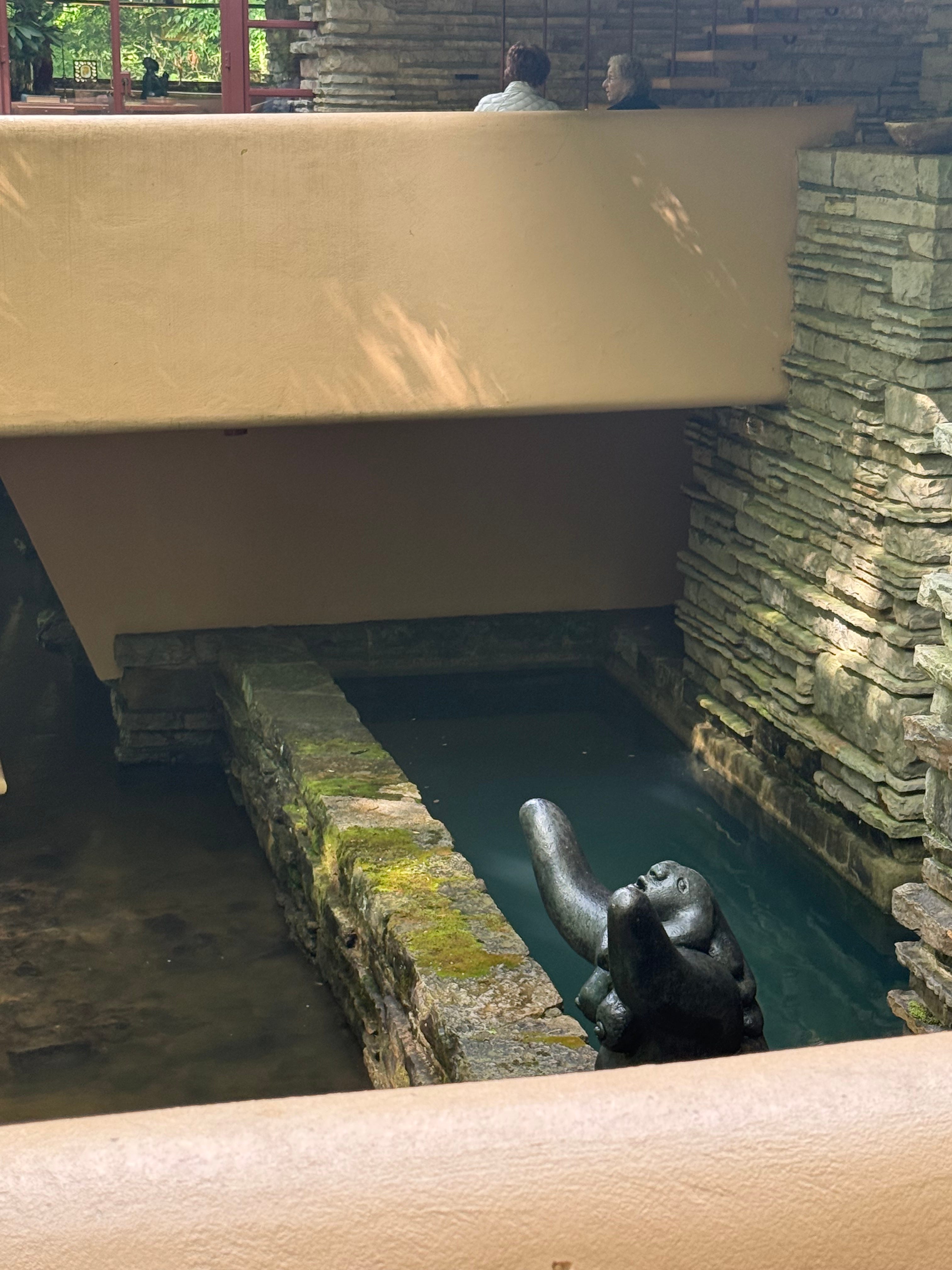
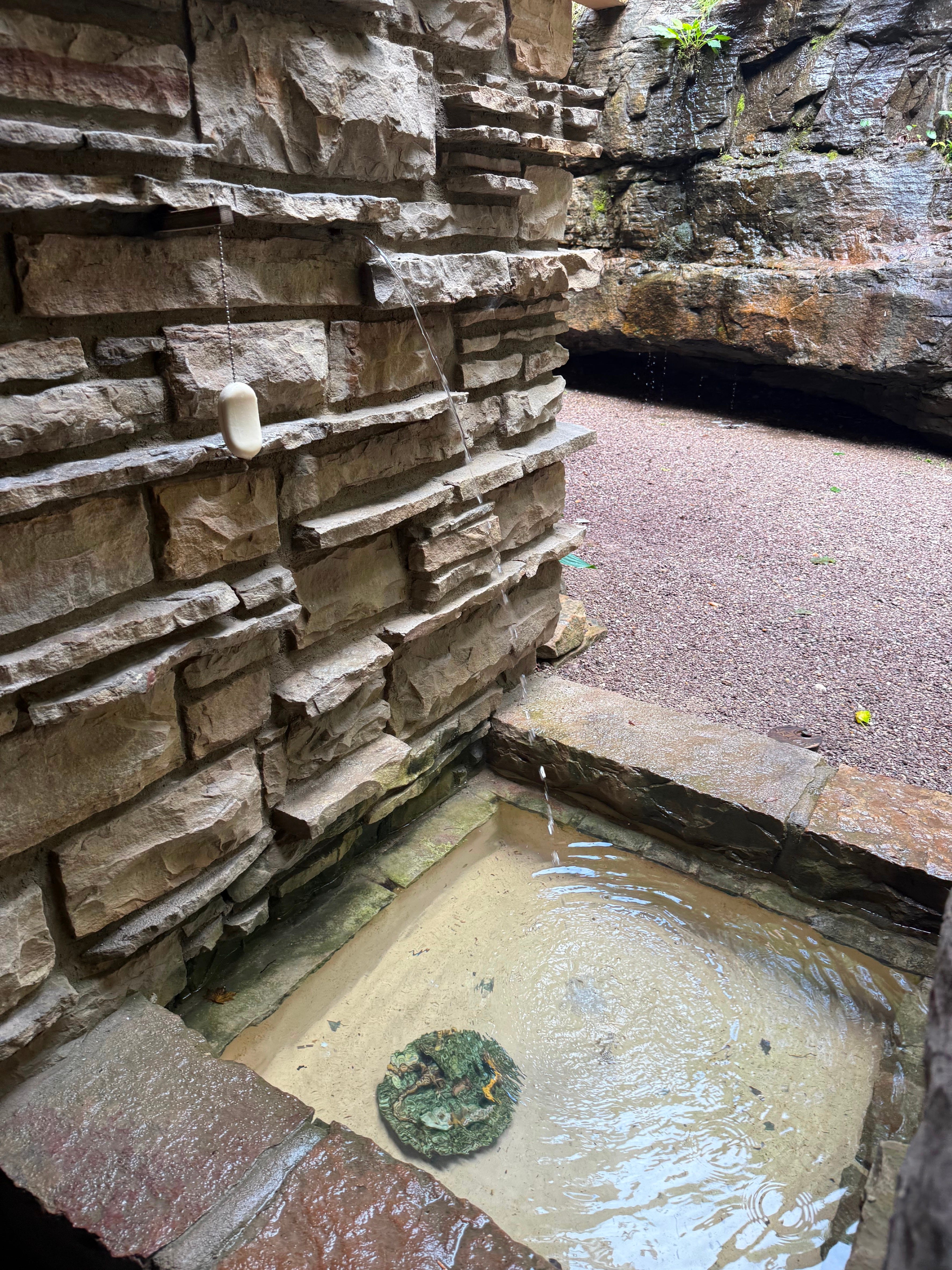
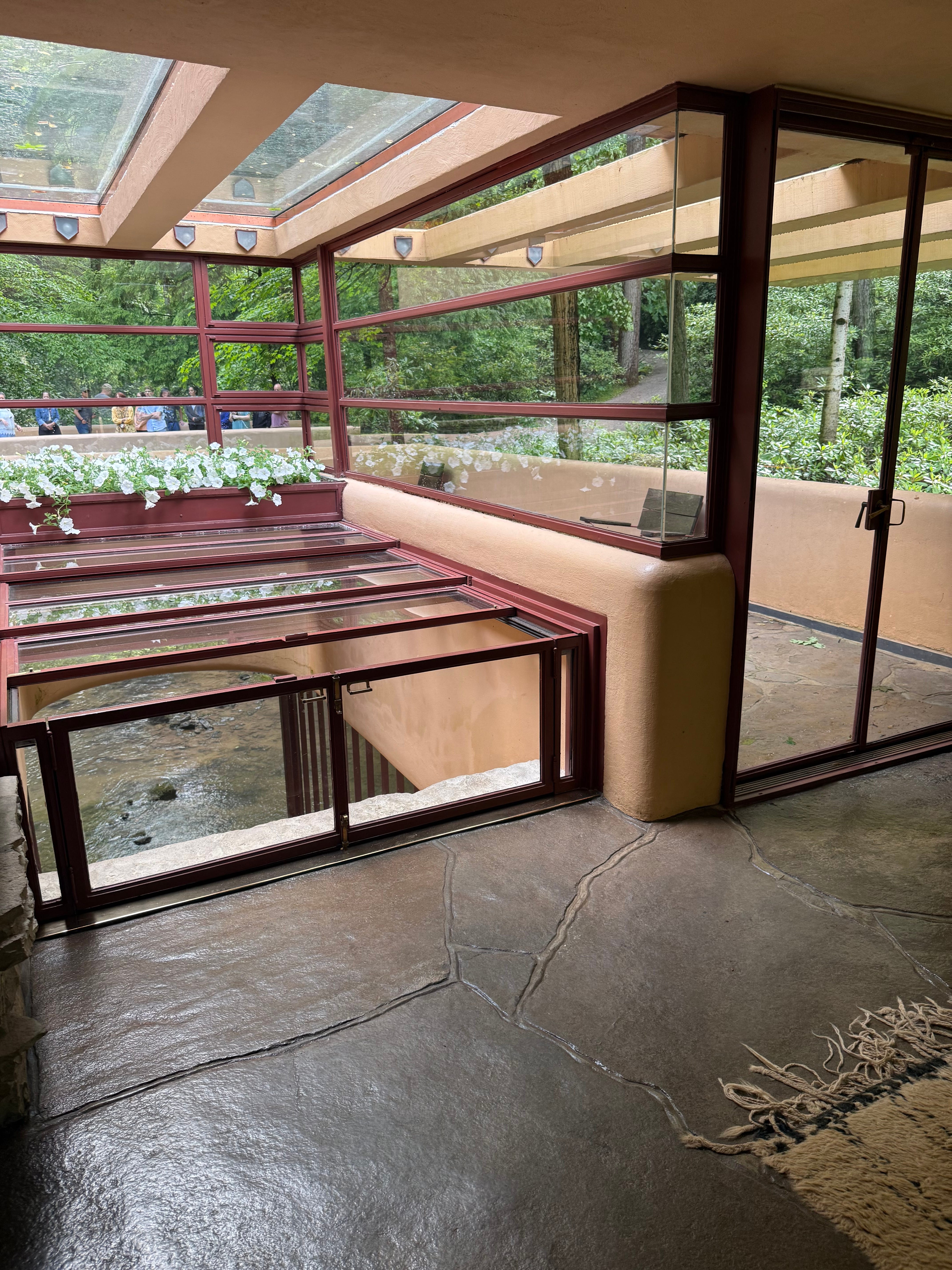
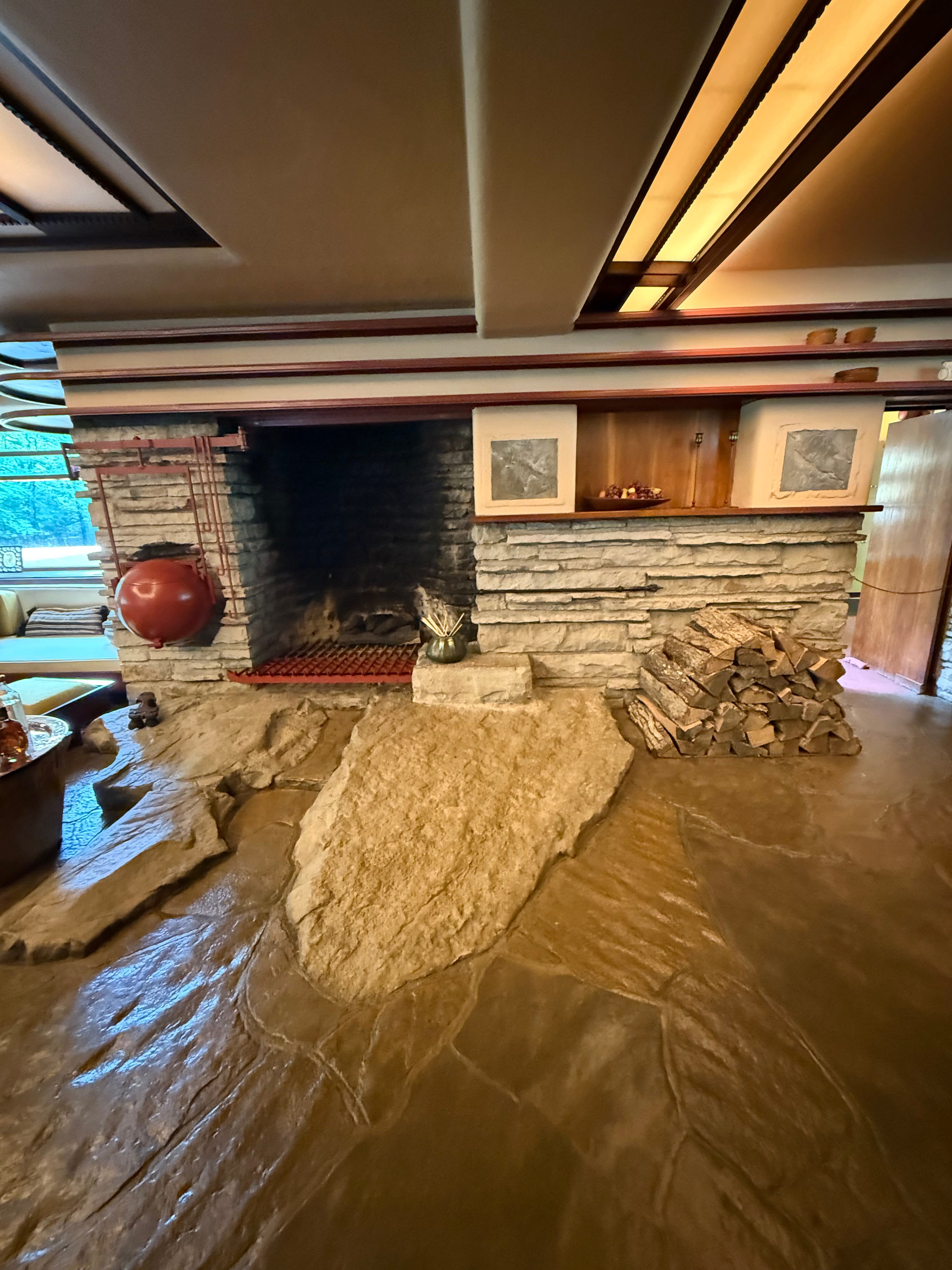
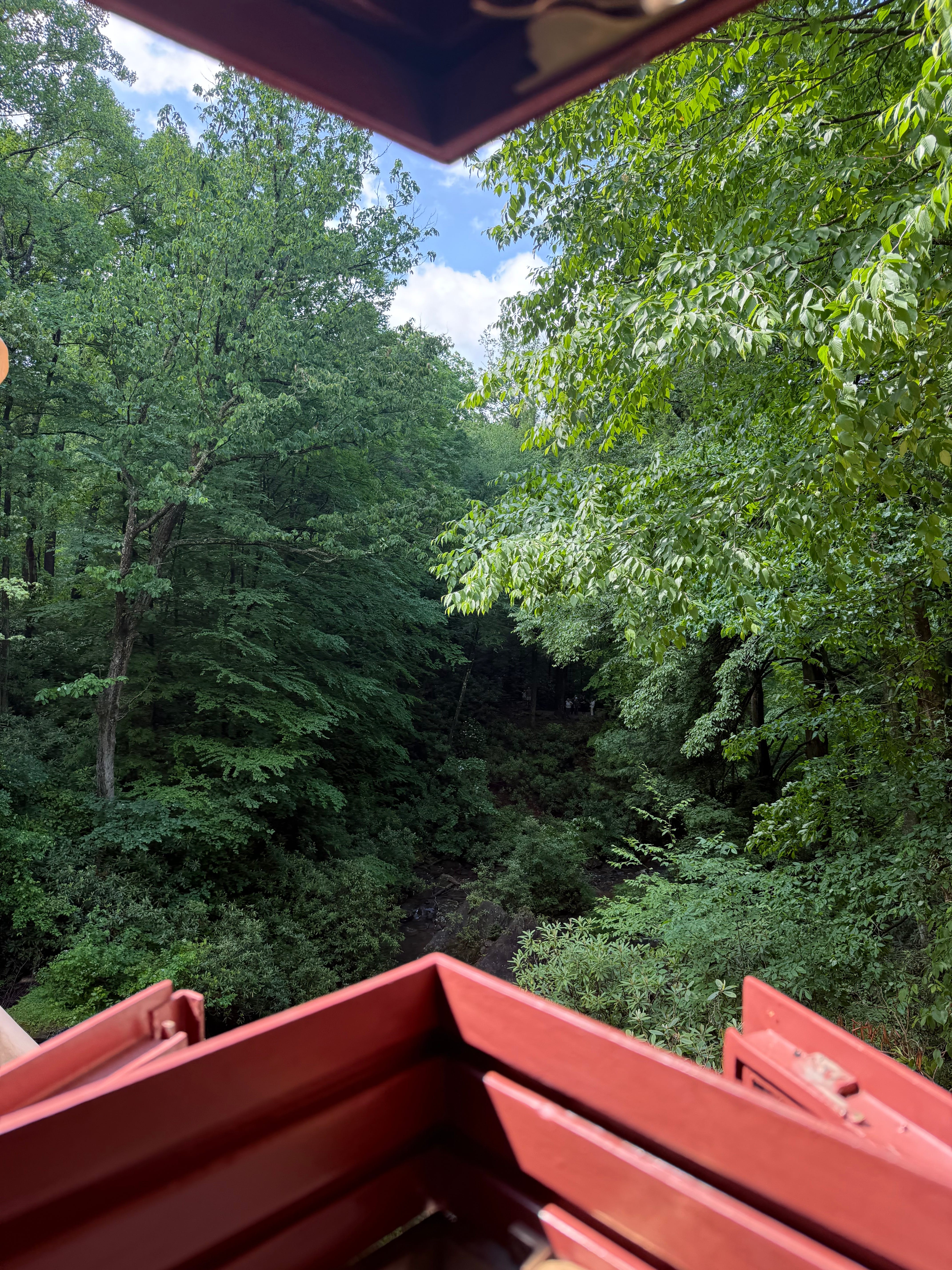
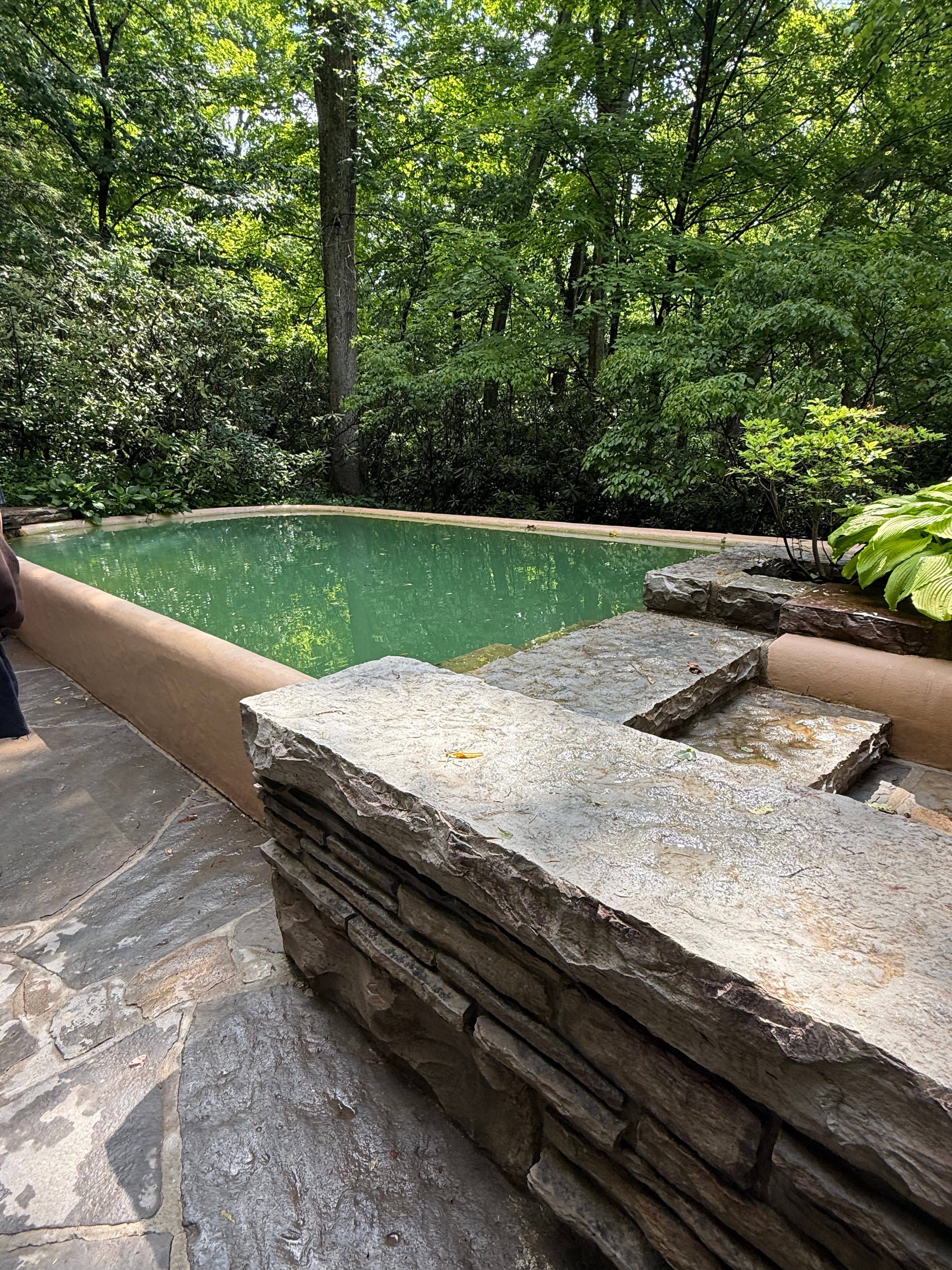
Wright asked for topographic maps showing the elevations and outcroppings in the area. Consonant with his views on form following function, Wright designed a cantilevered structure that looks as if it is as much a part of nature as the stream and outcroppings themselves, with the stream running underneath the building. The series of cantilevers, where a beam or girder is supported only only one end and hangs over there air on the other, is one reason the house, Fallingwater, is one of the most famous architectural marvels in the world.
Wright designed the house to his specifications and interests. Edgar Kaufmann, Sr. wanted a view of the stream next to his house. Wright reportedly thought such a view was prosaic and unnecessary and decided to place the structure on top of the stream. During design and construction, the Kaufmanns attempted to change many aspects of it; Wright usually prevailed, ensuring his vision was enacted. Construction began in 1936. It was completed in December of the following year, when the Kaufmanns moved in.
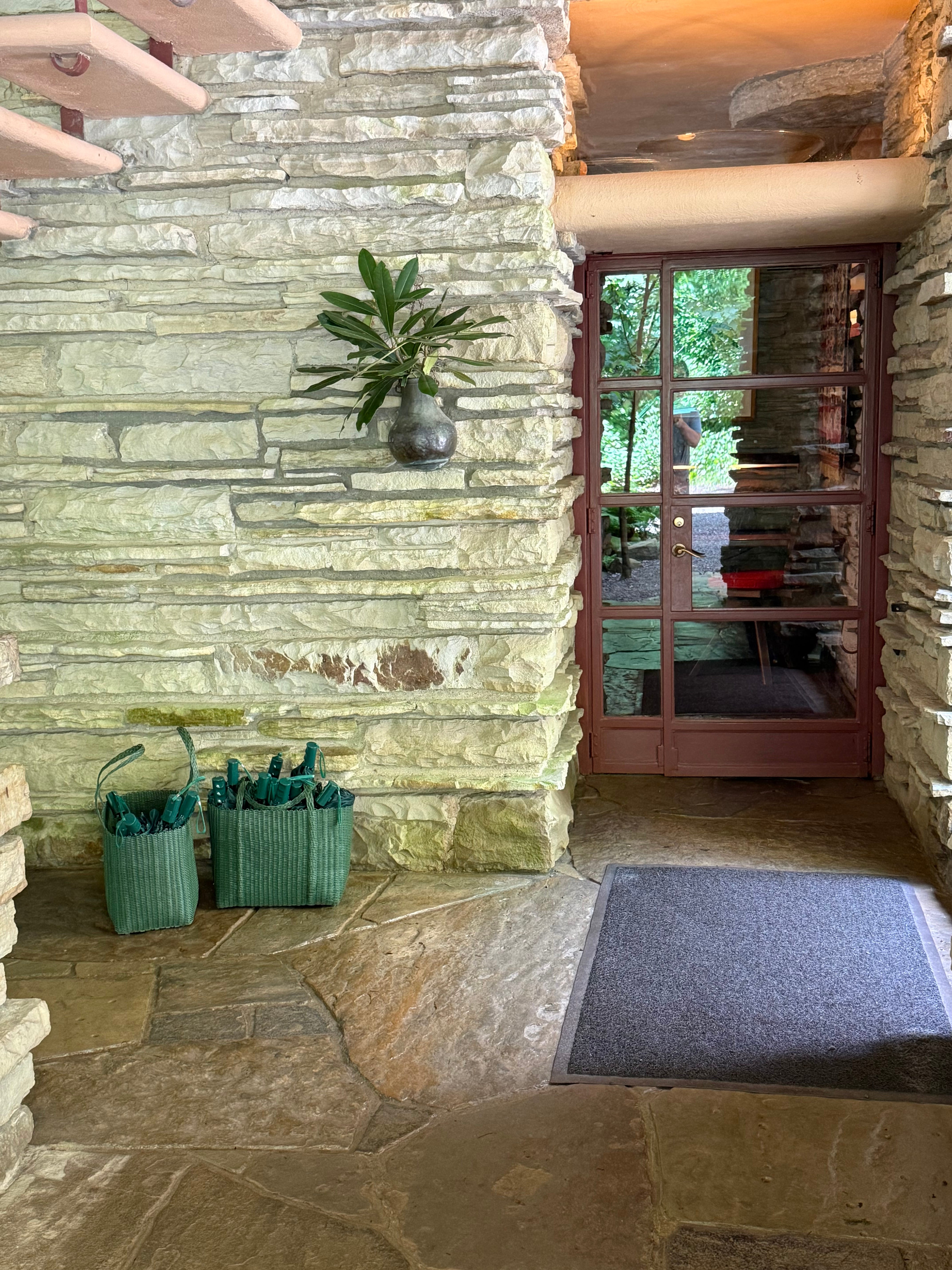
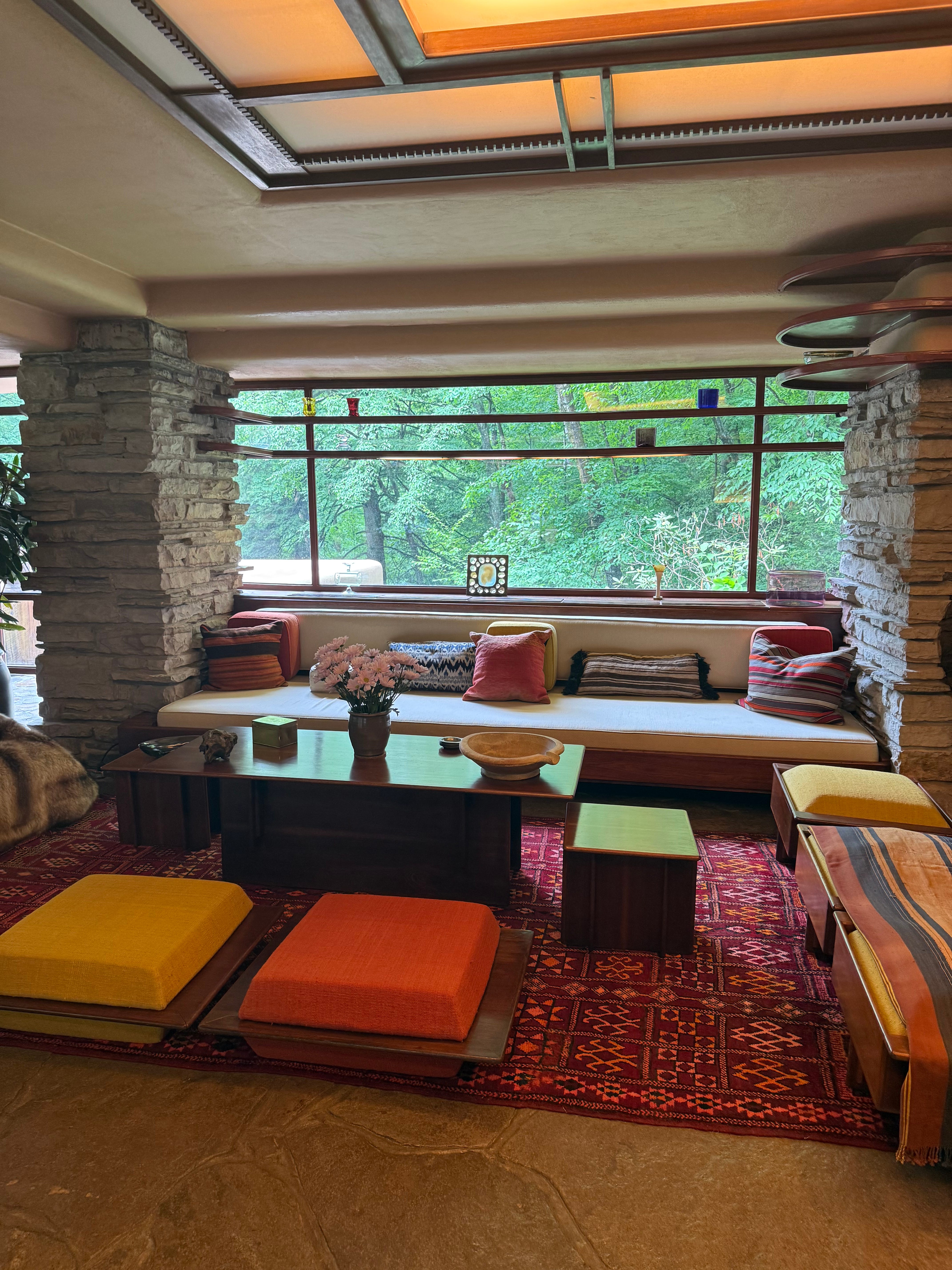
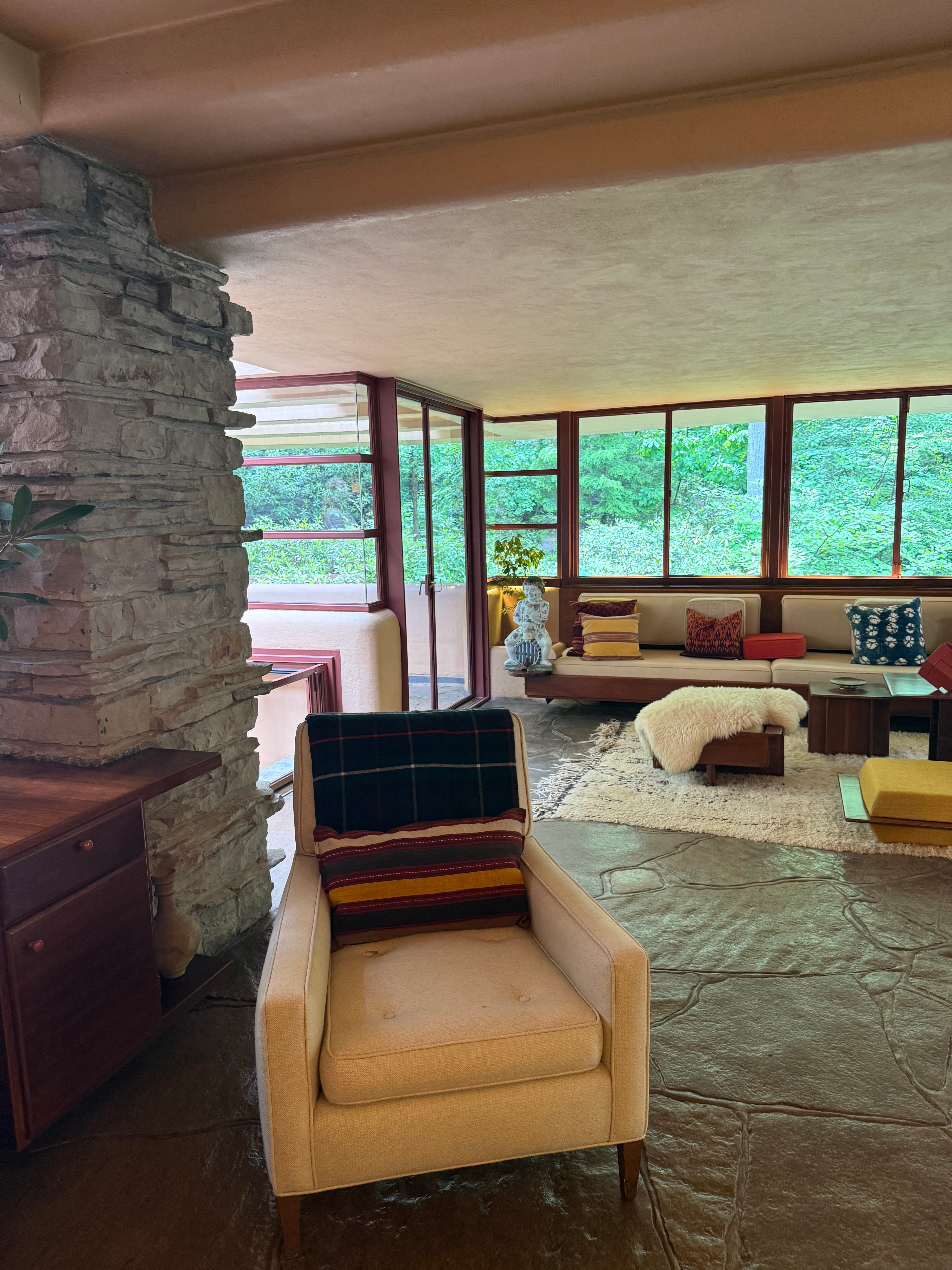
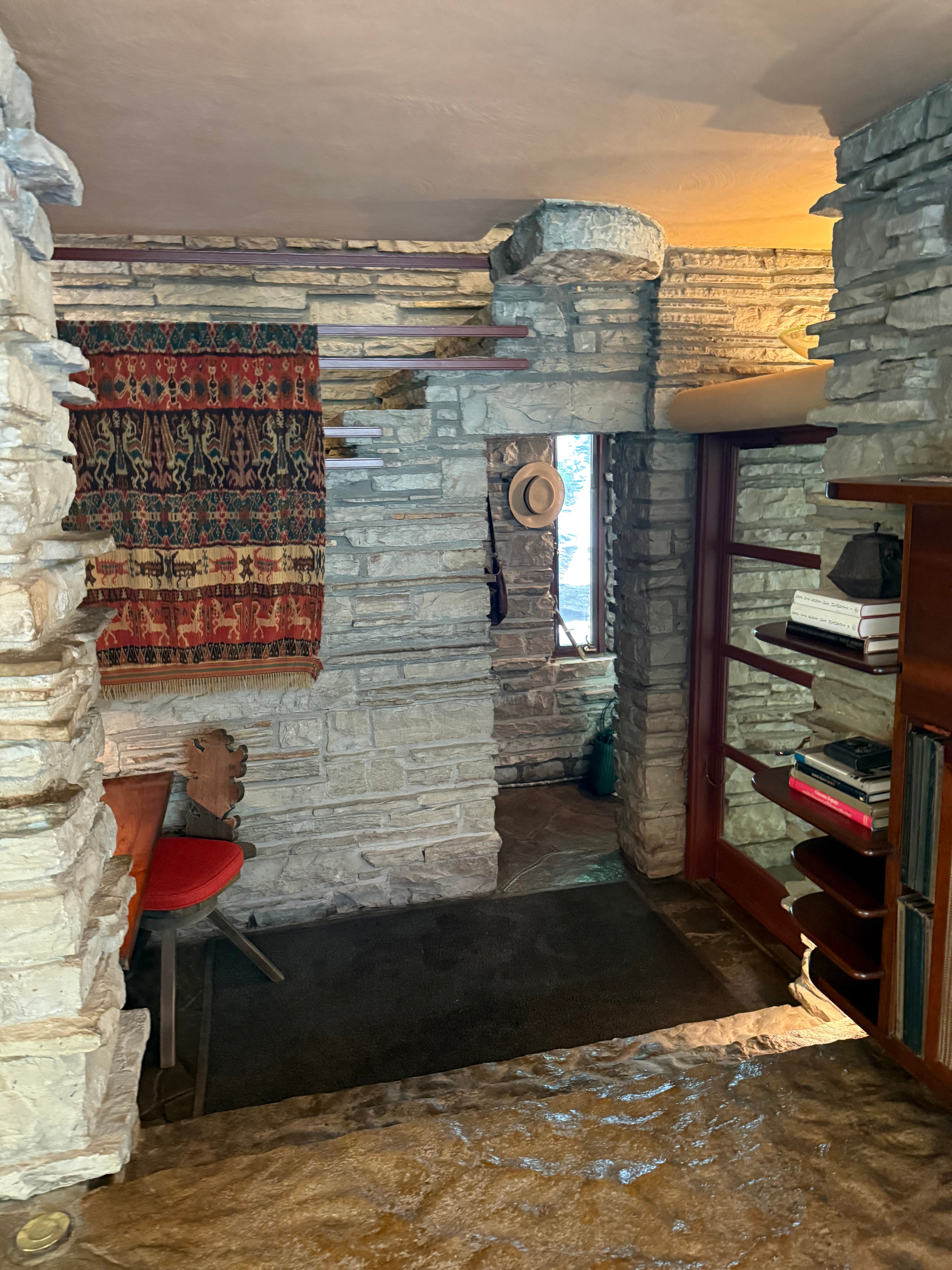
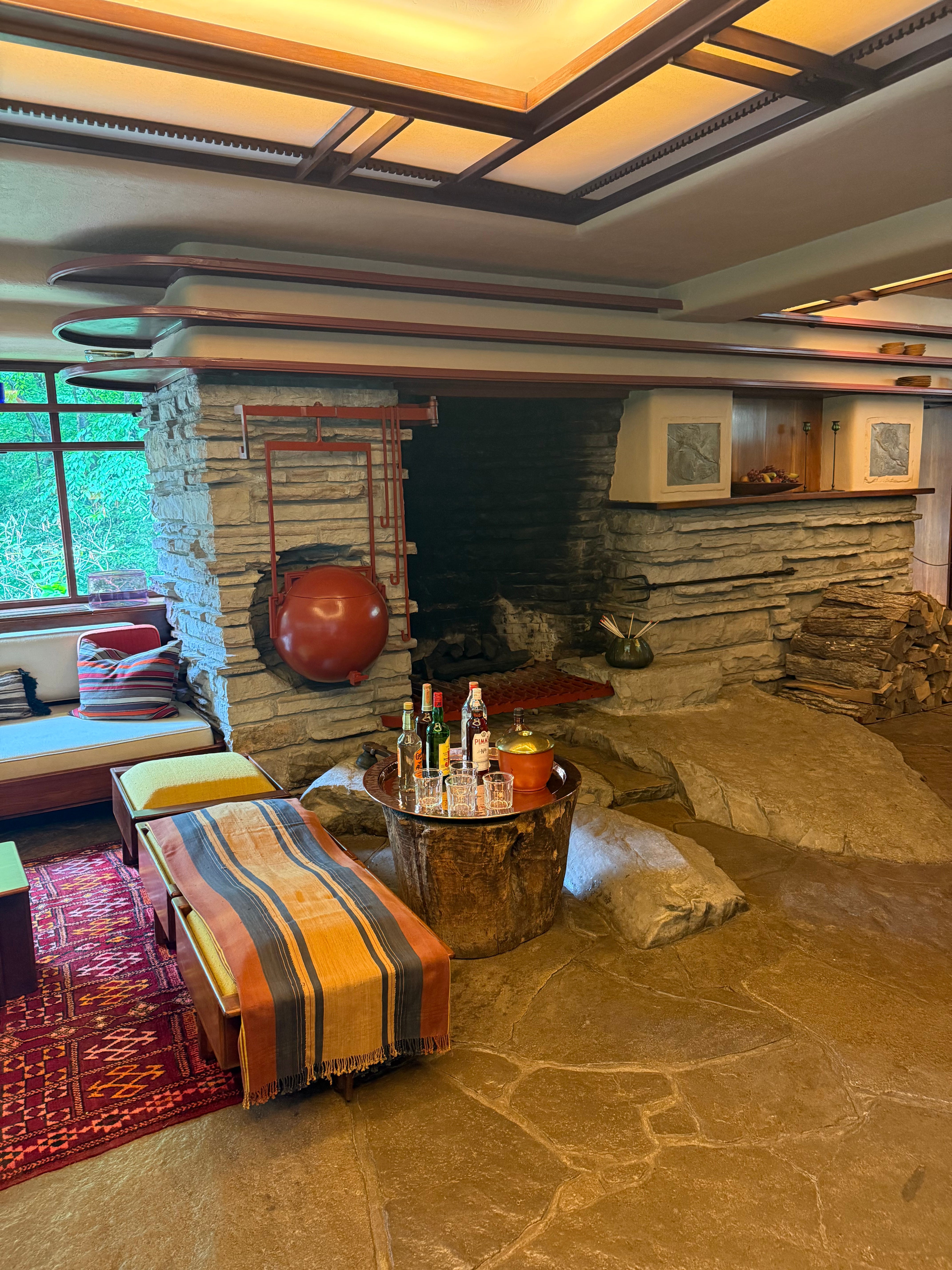
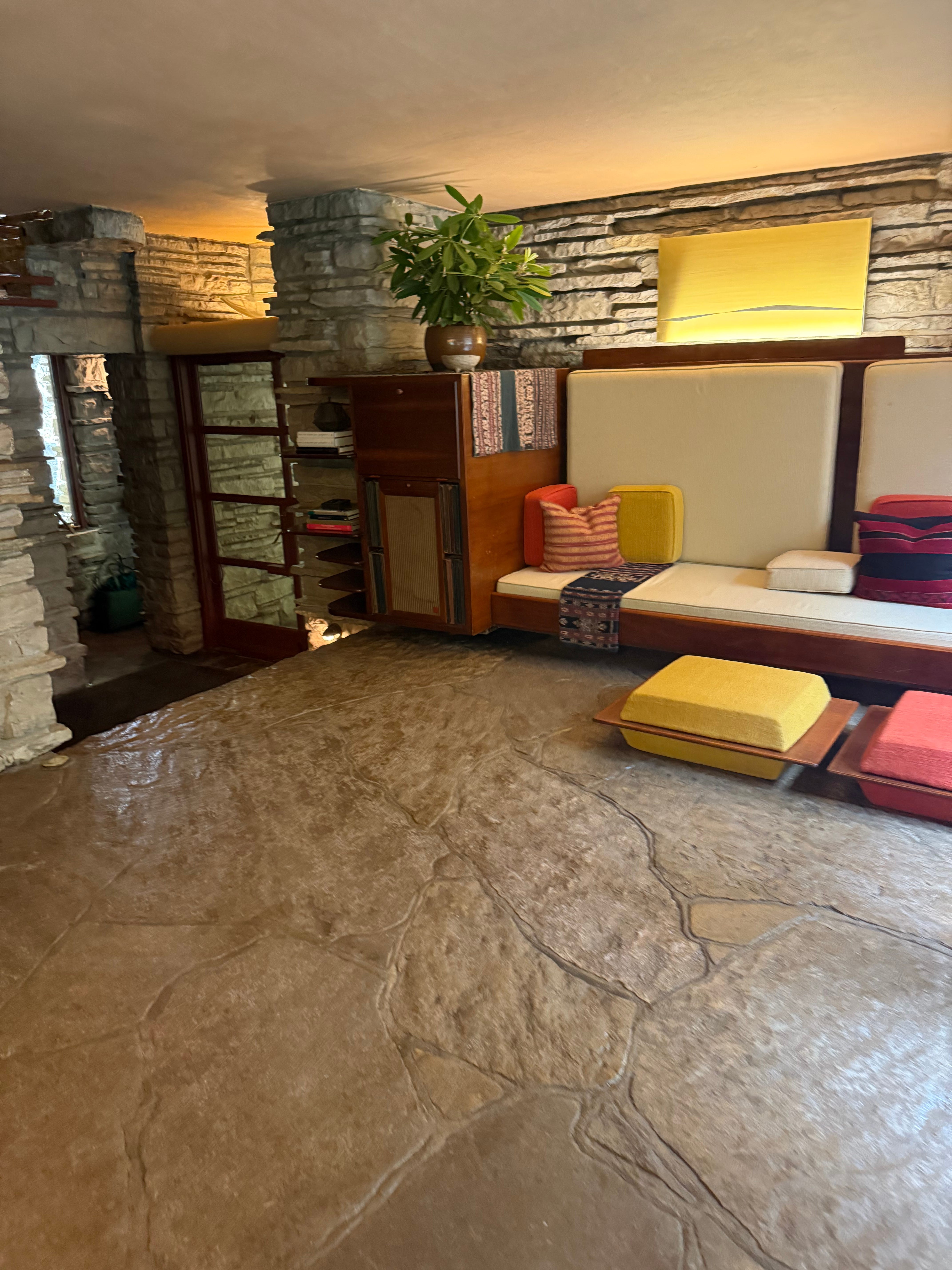
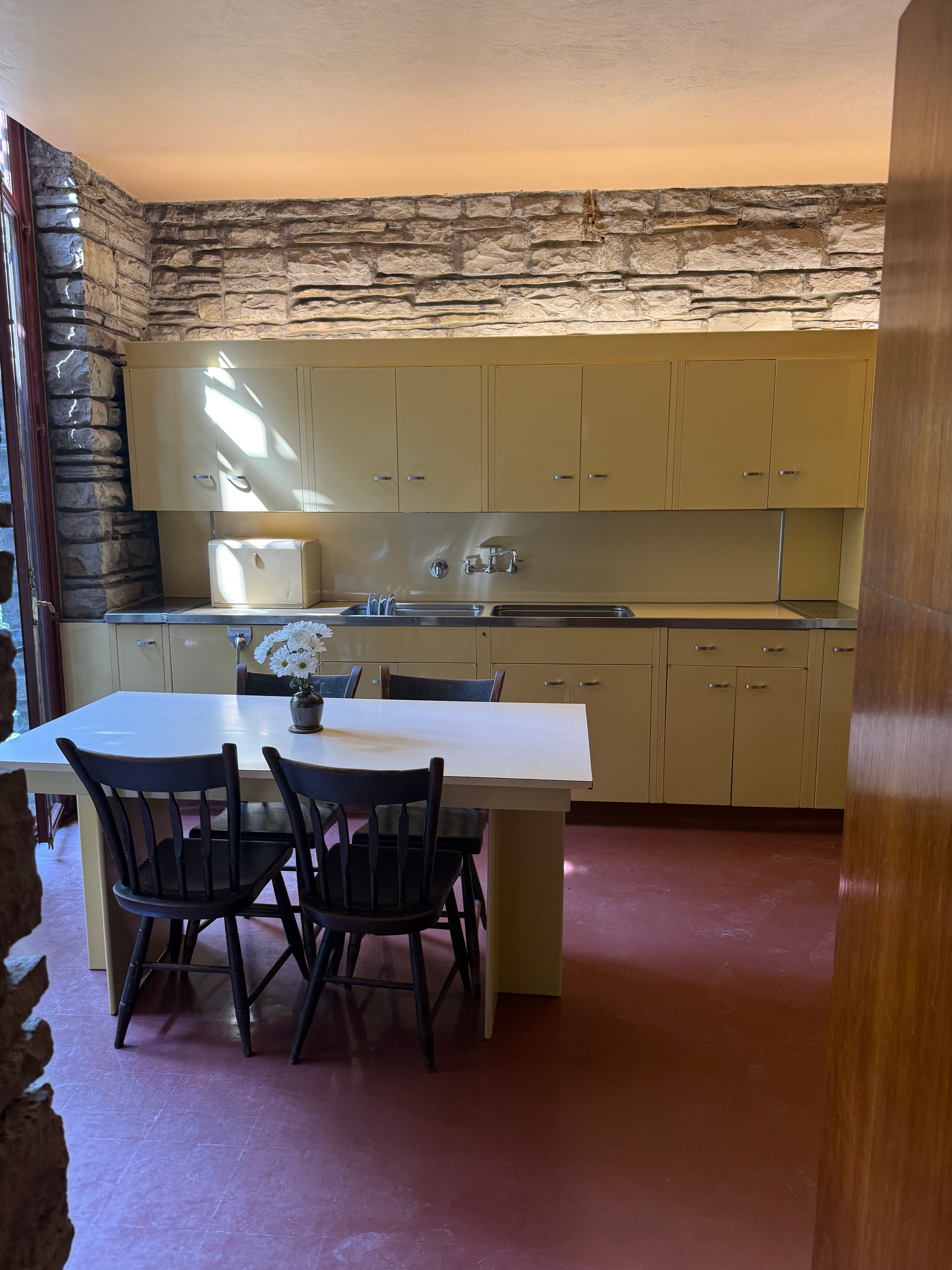
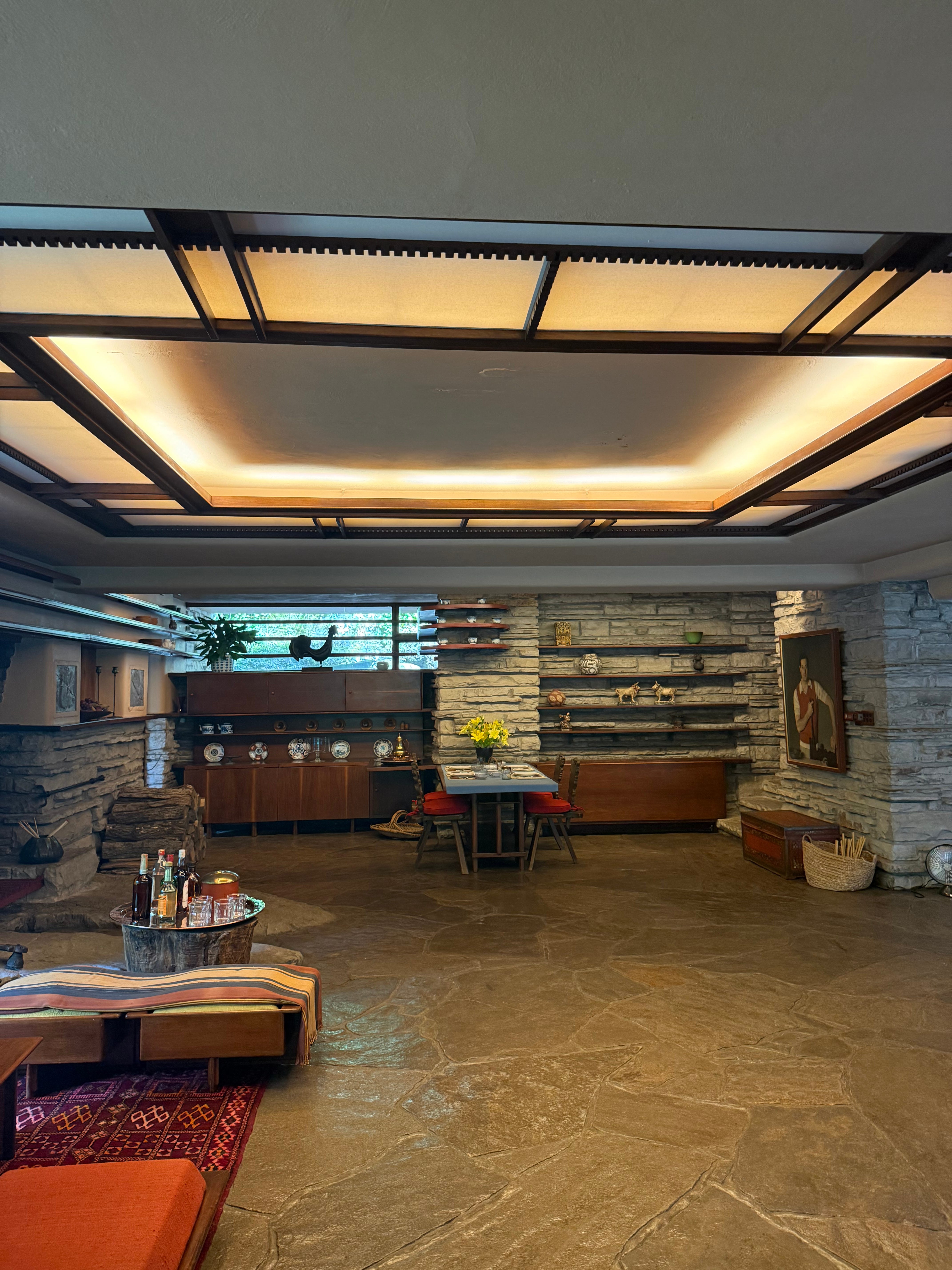
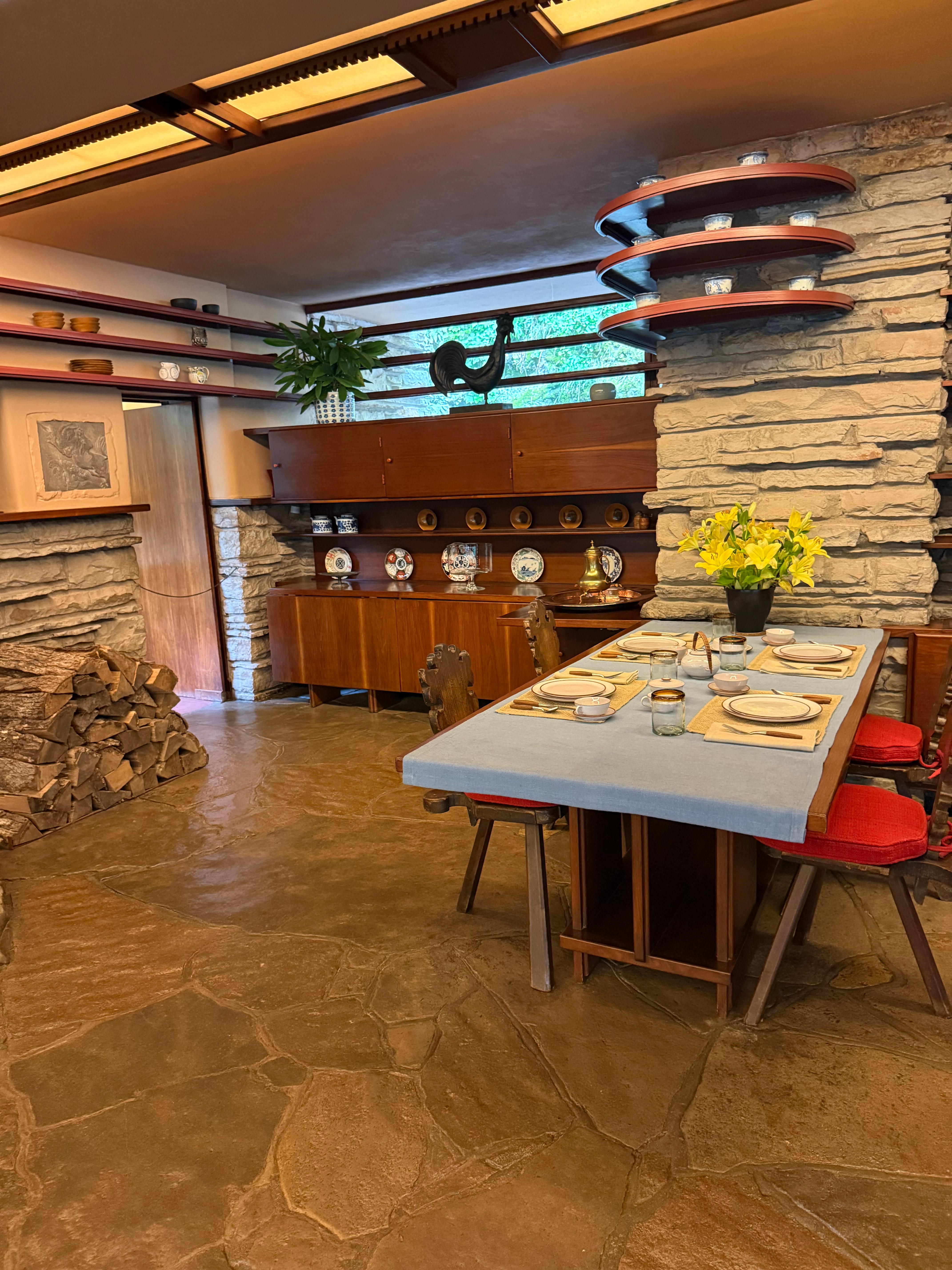
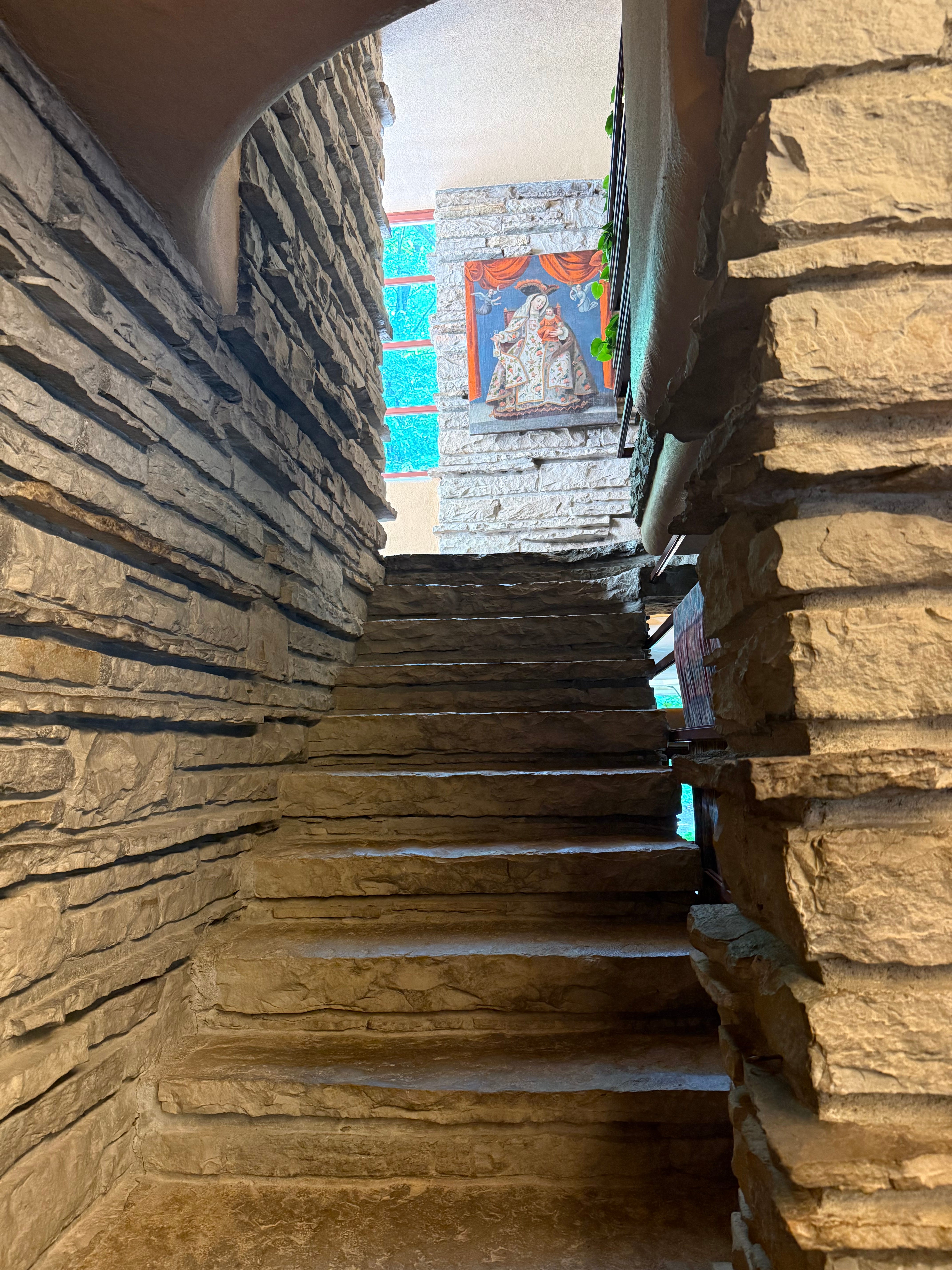
Unlike so many today, including ideological environmentalists, Wright did not see humans as a scourge, a plague, or something apart from nature. He thought man should be integrated with nature, and his design for Fallingwater is a testament to those harmonious views. Wright also designed most of the home’s furniture, and Fallingwater is the only Wright home with intact furniture accessible to the public.
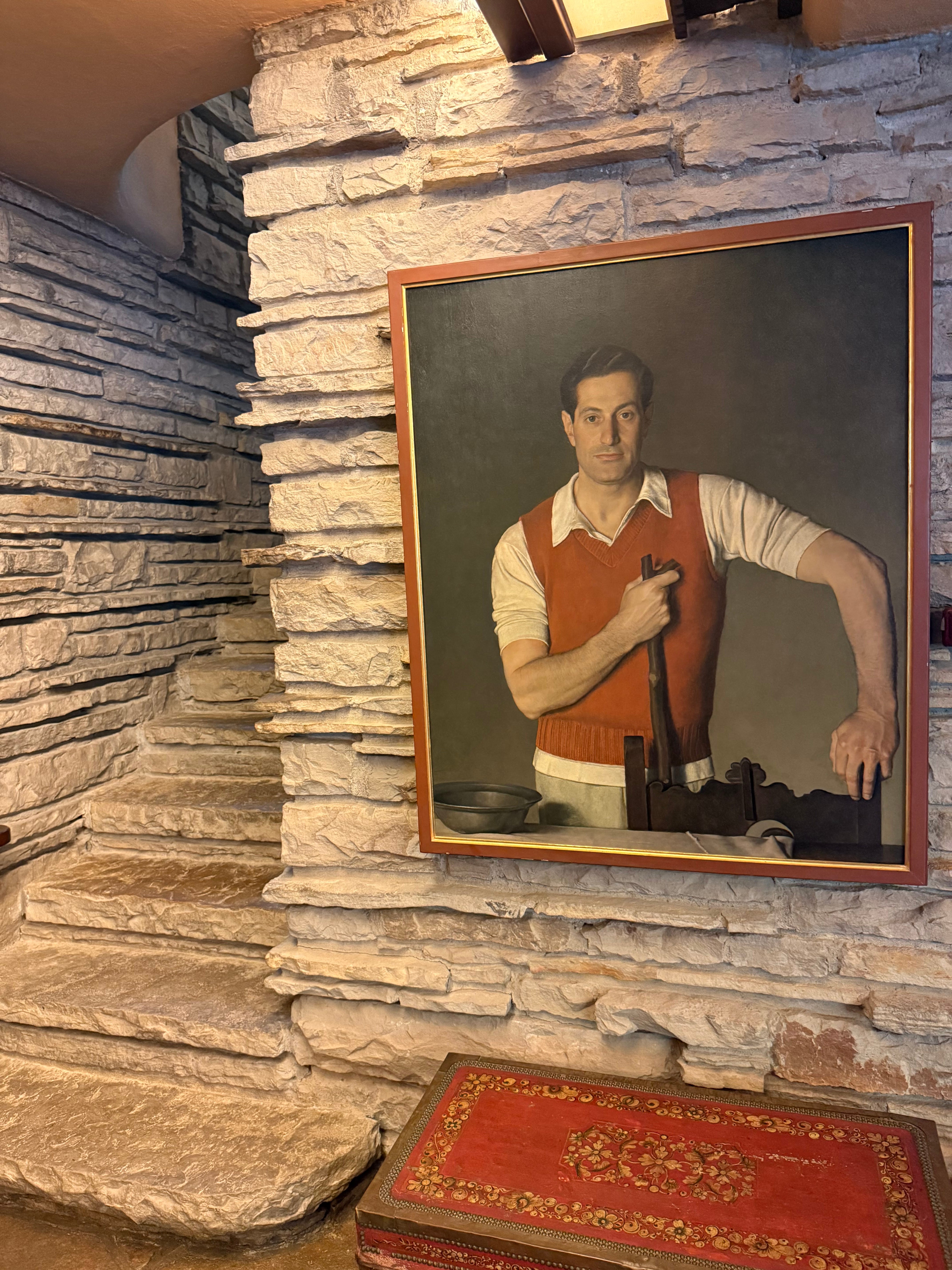
After his parents’ death in the 1950s, Edgar, Jr. donated the property to the Western Pennsylvania Conservancy, which runs it to this day. He and his life partner, architect and industrial designer Paul Mayén, helped to design and build a Visitor’s Center, which opened in 1980. Kaufmann’s intention was that Fallingwater be open to the public and look as if the family had just left and would return in ten minutes. The Conservancy has maintained the property for decades, including a recent one year, seven million dollar renovation. The house, which was prone to leaky roofs in the past, is finally leak free. Fallingwater is open for tours every day except Wednesday. More information is available at the Conservancy’s Fallingwater website.
On Sunday, I took part in the Western Pennsylvania Conservancy’s Guided Architectural Tour of Fallingwater. Advertised as one hour and limited to the house’s first floor only, it was actually closer to one-and-a-half hours and included the entire house. Eugene, the Conservancy’s knowledgable, amiable docent, led a small group, among hundreds or thousands who would visit that day, through the landmark. Other than a lack of adequate signage (I had difficulty finding the visitor’s center from the parking lot and difficulty returning to the visitor’s center and parking lot later), the Conservancy does a remarkable job preserving Fallingwater and informing visitors. In addition to the visitor’s center, there is a café, a gift shop, and an exhibit of photographs of the Kaufmann family and Bear Run’s history.
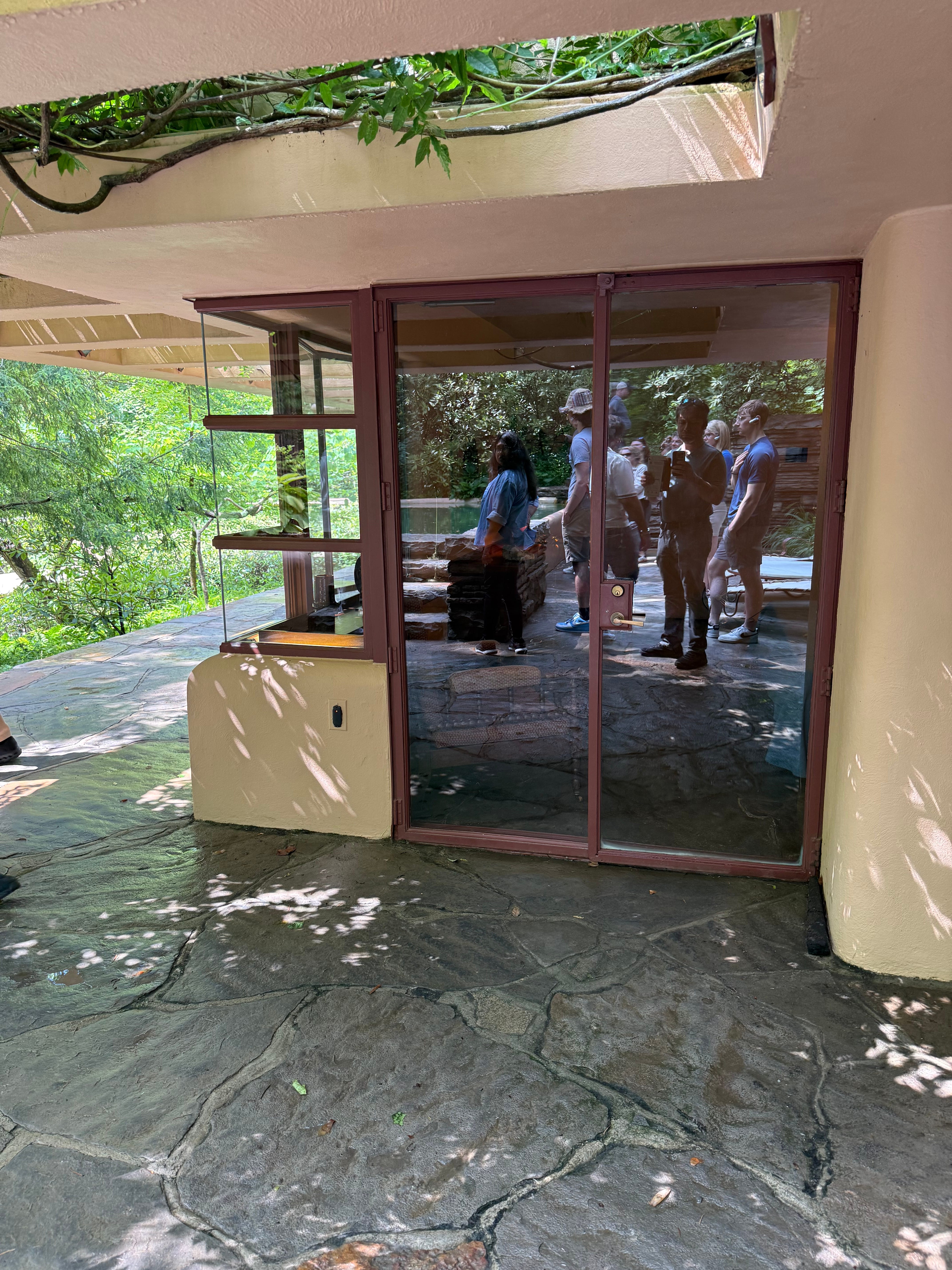
Thanks to Emily Nichelson, Fallingwater’s Visitor Services Representative, and to Eugene, of the Western Pennsylvania Conservancy. Thanks also to my friends the Karams and Steadmans for recommending that I visit Fallingwater during my trip to the Pittsburgh area.
I hope to see it for myself someday.